
What is an insert?
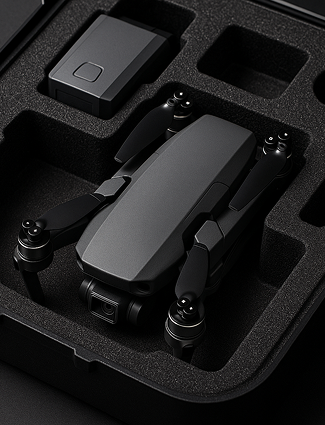
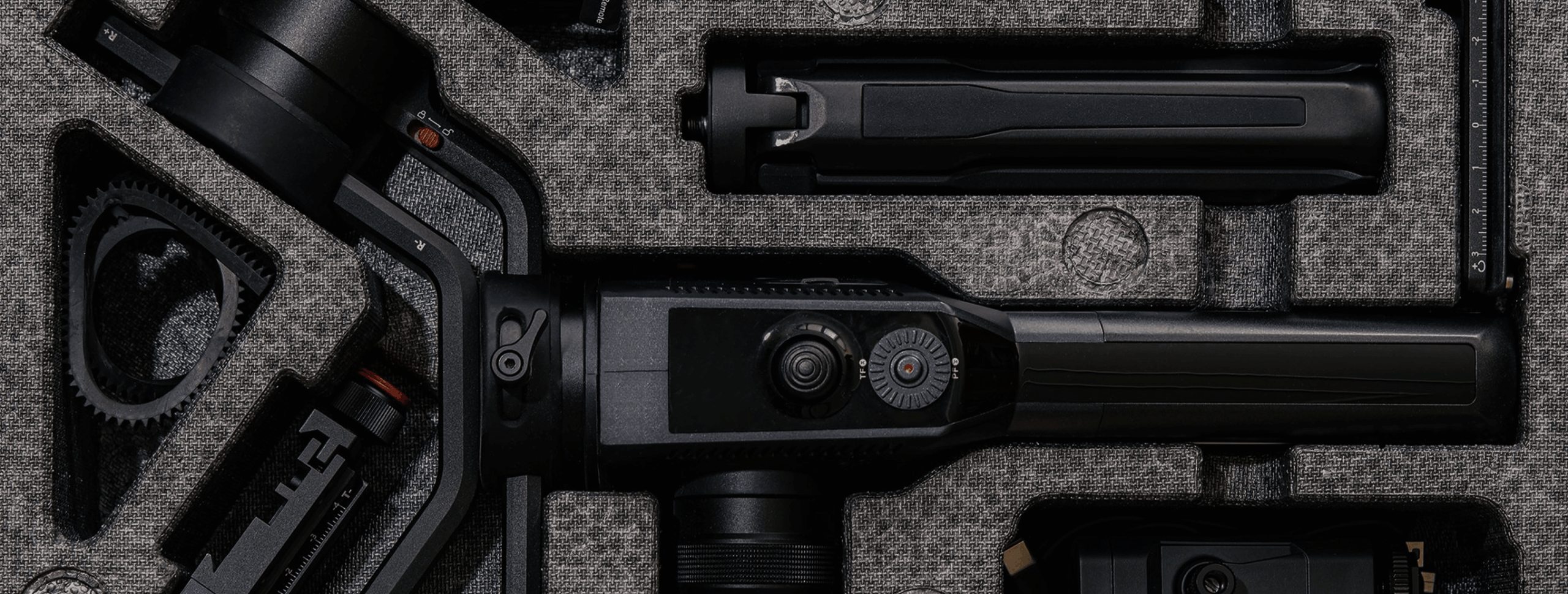
An insert is the internal part of a case, container, or box that follows the shape of the equipment and holds it in place. Its main task is to fix the equipment and protect it from damage during transportation or storage.
Usually it looks like cut-out cells in foam material. But in practice it is not just an “insert”, but a thought-out construction that takes into account dimensions, shape, weight, and even vulnerable points of the equipment.
Advantages of using a custom insert
Most often, equipment is damaged not because of the road itself, but because it is not fixed inside the case. If there is free movement — during vibrations elements collide, rub, and gradually fail.
A custom insert solves exactly this — it eliminates unnecessary movement and makes transportation controlled.
Main advantages:
A properly made insert is not only about a neat appearance. It is about ensuring that the equipment remains in working condition even after constant transportation.
- Protection from impacts and vibrations. Absorbs part of the load during transportation.
- Fixation of equipment. Each element is in its place and does not move.
- Space optimization. Everything is placed compactly and without unnecessary “air” inside.
- Professional presentation. Especially important for demonstrations, presentations, or work with clients.
- Durability. If needed, only the insert can be updated without changing the entire case.
- Possibility of quick replacement. If needed, only the insert can be updated without changing the entire case.
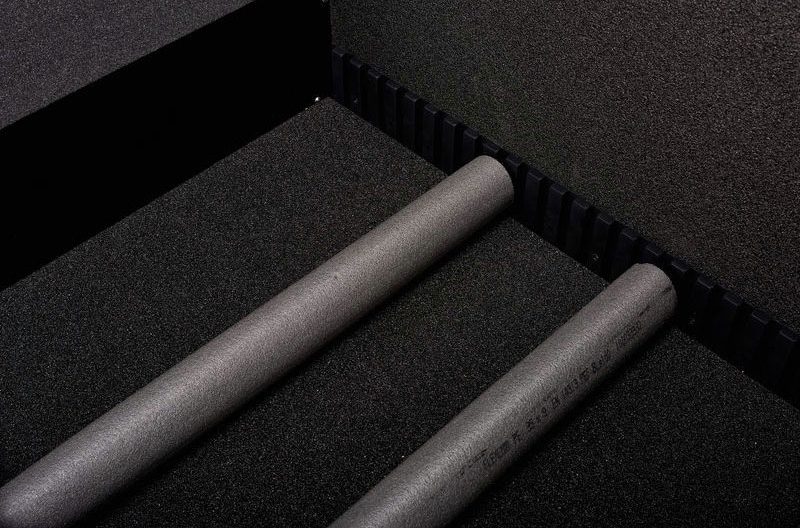
Compactness and mobility
When everything inside is fixed and arranged correctly, the case does not require extra space. Due to this, it can be made more compact and more convenient in use.
As a result — less weight, easier transportation, and more efficient use of space. In some cases, this even allows significantly reducing the volume of the case, which also affects logistics.
“An insert is like a seat for your equipment: if it ‘sits’ correctly, it is safe. A well-designed insert significantly reduces the risk of damage and becomes a basic element of protection.”
Development process: how we create inserts at BOXO
At BOXO, inserts are always made for a specific task. We start with analyzing the equipment: its dimensions, weight, vulnerable zones, and the conditions in which it will be used.
After that, a 3D model is created, which is agreed with the client. And only when everything is taken into account — production is launched.
Types of materials for inserts
Different materials are suitable for different tasks. Everything depends on what exactly needs to be protected and in what conditions the case will be used
The most common options:
| Material | Features | Application |
|---|---|---|
| Polyethylene foam (PE) | High density, moisture resistance | For heavy and industrial equipment |
| EVA foam | Elasticity, comfortable surface | For presentation and commercial purposes |
| Polyurethane | Soft, good shock absorption | For fragile or precise equipment |
-
An insert is an individually formed internal insert that fixes equipment inside the case. Unlike a regular foam padding, it is manufactured for specific dimensions of devices and takes into account their shape, weight, and features of use.
-
Yes, we specialize in manufacturing cases based on an individual request. We carefully take into account the parameters of your equipment, its purpose, operating conditions, and wishes regarding appearance. This allows creating a solution that ideally suits you – both in functionality and in design.
Conclusion
In most cases, equipment is damaged not because of transportation itself, but because there is no fixation inside. If the equipment moves — it collides, rubs, and gradually wears out.
A custom-made insert removes this factor and allows the equipment to remain in normal condition even with regular use.
Latest articles
Categories:
-
Read
What is an insert and why is it important for equipment protection?
What is an insert? An insert is the internal part of a case, container, or box that follows the shape of the equipment and holds it in place. Its main task is to fix the equipment and protect it from damage during transportation or storage. Usually it looks like cut-out cells in foam material. But […] -
Read
Case body that really withstands the road
A case on the road receives all loads first: impacts, pressure, vibrations, dust, and moisture. It is carried, loaded, stacked, and constantly moved. And if the body does not withstand this — it no longer matters what is inside. In transportation, it is not appearance that works, but the ability of the case to hold […] -
Read
5 mistakes when choosing a case
A case is often perceived as a simple box: so that it closes, so that the equipment fits – and that is enough. But it begins to “work” already on the road, and if it is chosen randomly, this quickly becomes a problem: the equipment shifts, small elements get lost, and instead of convenience, constant […] -
Read
Universal or custom case: what is the difference in practice
At the start, the difference between a universal and a custom case seems minimal – both supposedly cover the basic task. But in work, the main thing quickly becomes visible: whether the case simply fits the equipment, or actually fixes it, maintains order, and does not create problems during transportation. These details are exactly what […] -
Read

From Ukraine to Las Vegas: BOXO at UAVExpo 2025
BOXO took part in UAVExpo 2025 in Las Vegas — an exhibition in the field of unmanned technologies, where equipment manufacturers and engineering teams from different countries gather. This trip was about getting acquainted with an international audience and the opportunity to show the product in a clear format. It was important that the cases […] -
Read
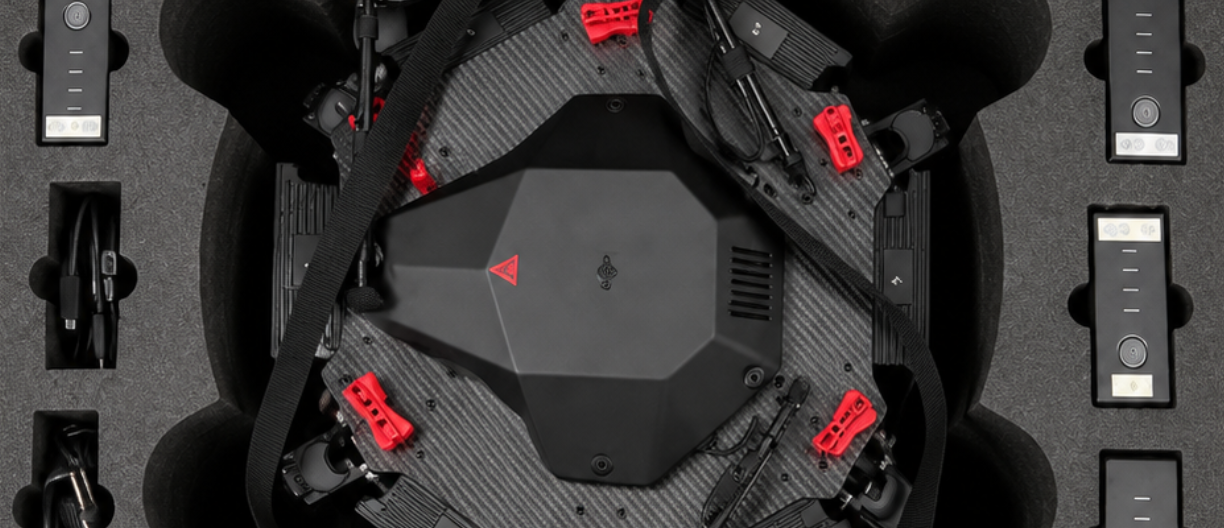
Where equipment most often breaks during transportation
From the outside everything looks simple: the equipment was placed in a case, closed, transported — it means everything should be normal. But on the road everything works differently. The equipment shifts, presses on itself, vibrates, rubs against the case or neighboring elements. And if everything inside is thought out carelessly, the case does not […] -
Read
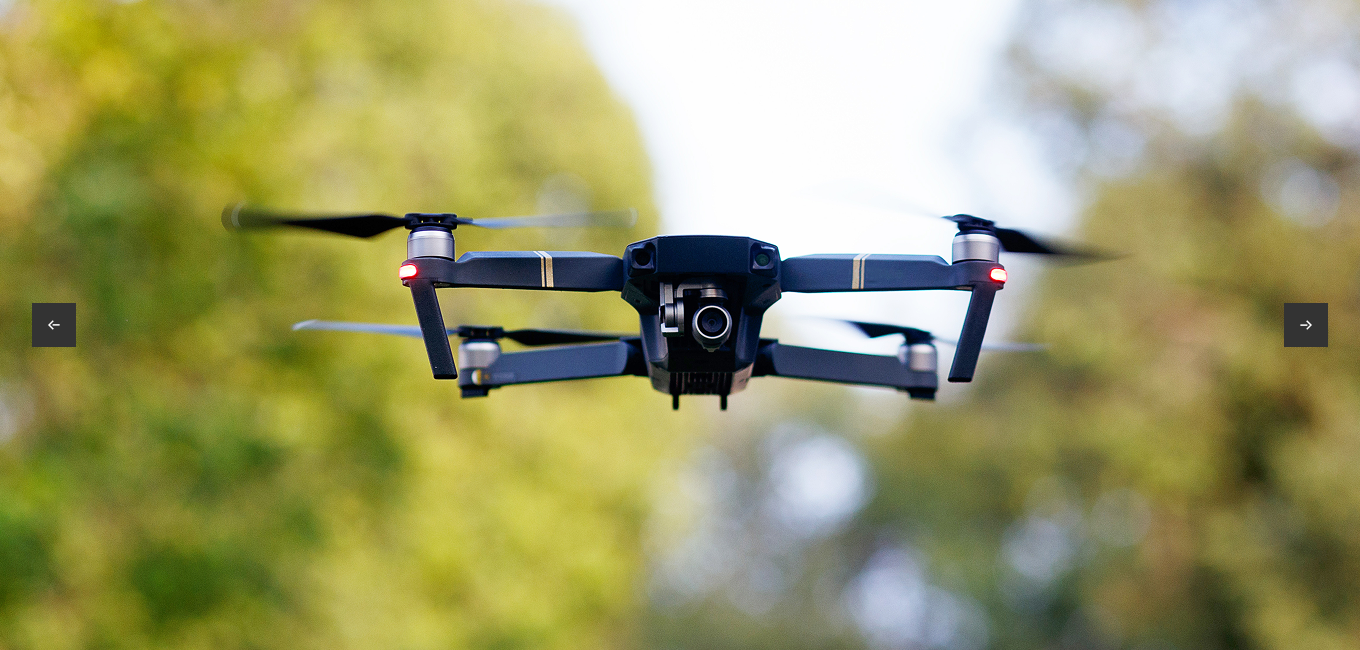
How a case eliminates chaos in working with equipment
A case is often perceived simply: so that it closes, so that everything fits, so that it can be transported. And it seems that this is enough. But chaos begins not when something has already fallen or been lost, but much earlier, when there is no order inside and every trip turns into constant control. […] -
Read
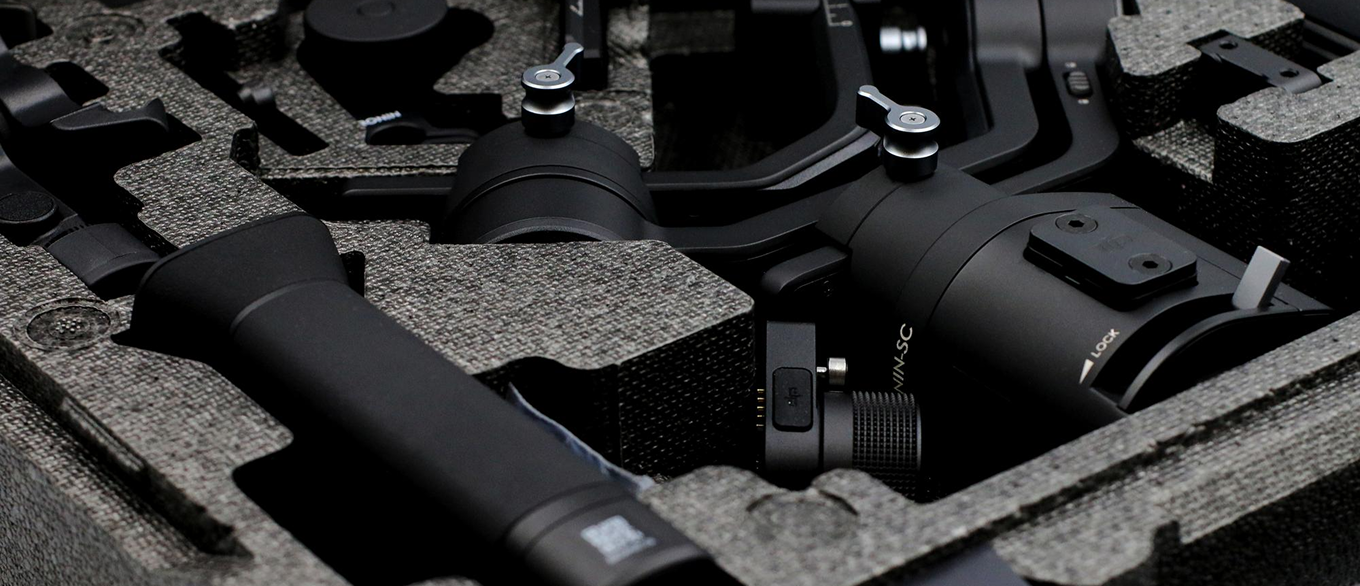
Why a case breaks not on the outside, but inside
A case for equipment is usually perceived simply: a strong корпус, closed – and this is enough. The main thing is that it does not crack and withstands the road. But in practice, a case begins to “work” not when it stands still, but when it is transported. And exactly at this moment the main […] -
Read
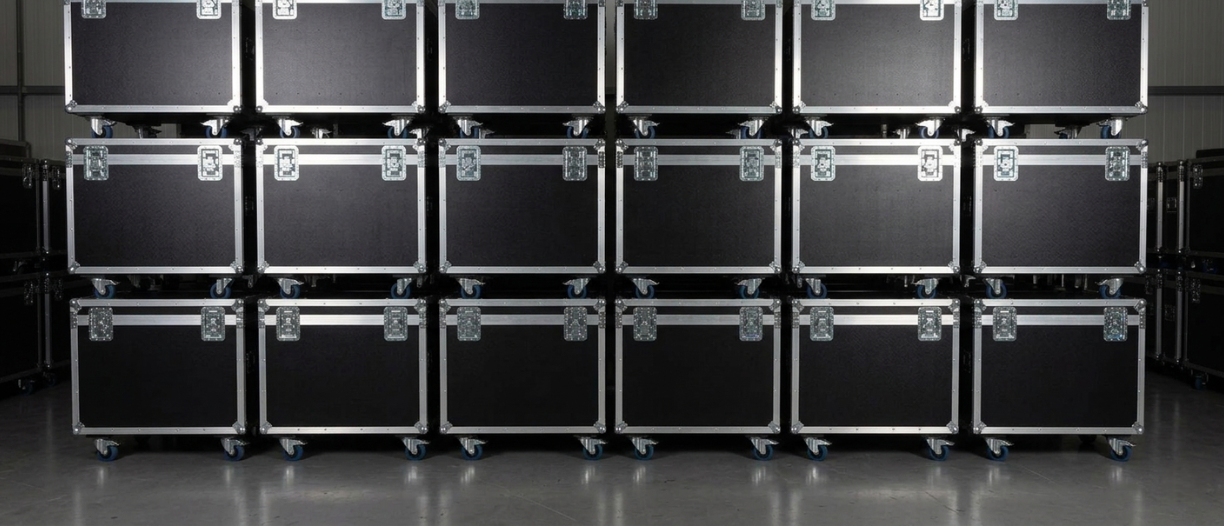
What distinguishes a case that lasts long
A case is often chosen simply: so that it closes and everything fits. At the start, this seems enough. But in use, it immediately gets load, impacts, and constant openings. And if there is movement or weak points inside, this quickly starts to create problems. The difference between a case that lasts long and one […]